:max_bytes(150000):strip_icc():format(webp)/Mary-Wollstonecraft-x-162279570-56aa24f45f9b58b7d000fc2b.jpg)
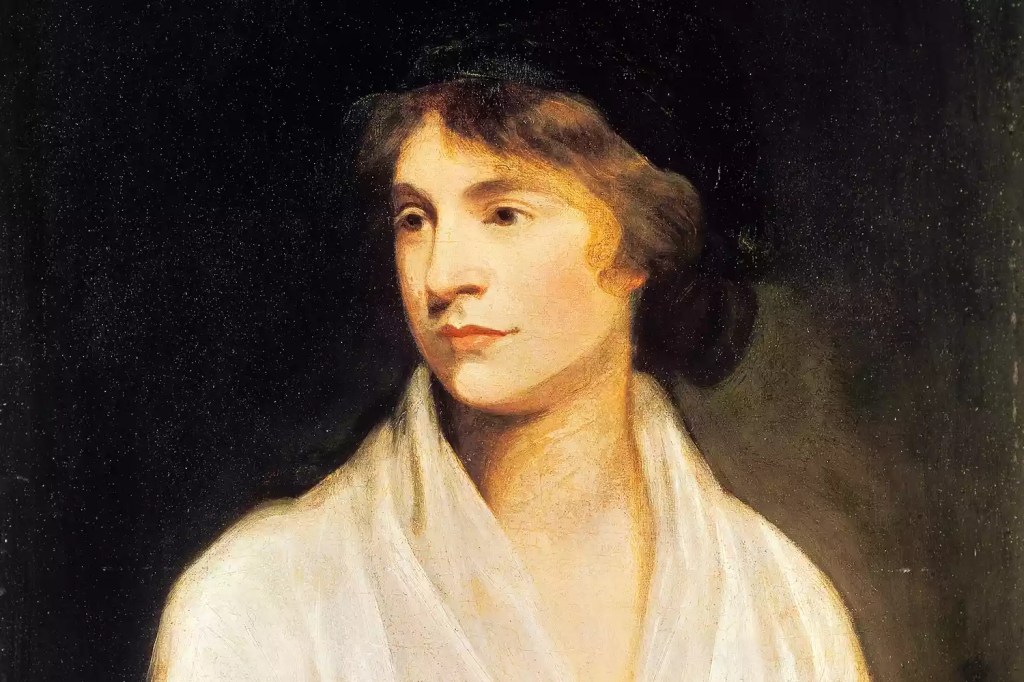
Born on April 27th, 1759, Mary Wollstonecraft was known as a writer and philosopher. However, she contributed to the realm of psychology.
She is also famously known for a book she made, called “A Vindication of the Rights of Woman”, which speaks about the basic understanding of human education and behavior. She was also an advocate for women’s rights and believed that education was crucial in helping women gain independence.
Wollstonecraft believed that the principles of philosophy and society were actively prohibiting women from obtaining satisfaction in their lives. She found that society had seen women as irrational and unable to feel a sense of righteousness. Wollstonecraft found those beliefs to be wrong.
The original theory is that men were to have a god-complex, and were deemed the most superior and extremely rational. On the other hand, women were seen as futile and animal-like. The reason stemmed from women being generally seen as emotional and were only seen as child-bearers and raising their families. Women were not seen as leaders and ambassadors, instead, they were seen as easy listeners and easy to dictate. Due to those reasons, this further limited women from wanting to achieve their dreams and feelings of fulfillment.
Wollstonecraft completely disagreed with these theories and stereotypes of what women were. She first stated that women had the same level of rationality as men due to being made in God’s image. If men were created in God’s image and were seen as rational, then women were also created in his image and were just as logical as men. Wollstonecraft argued that women knew what it meant to have virtue and remain sensible. This is called moral psychology, the study of when one’s character is controlled by their ethics and what beliefs one goes by.
Wollstonecraft grew up in London, England, and throughout her life, she was a writer, an advocate for women’s education, and a teacher. Later, she worked as a translator for a man named Joseph John, a publisher from London. With his help, Wollstonecraft published a plethora of literature, including “A Vindication of the Rights of Woman”, which became controversial years later.
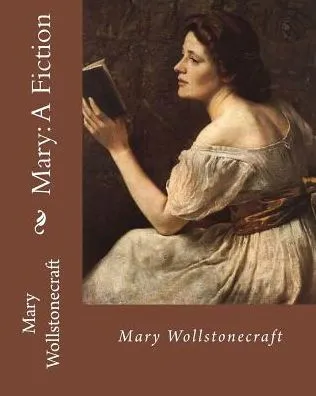
Eventually, in 1792, she left England to see the French Revolution. During that year, she married an American man named Captain Gilbert Imlay and had a daughter named Fanny. However, a year later, Wollstonecraft tried taking her life due to Imlay having another lady at his side. The couple decided to separate and this deeply stunted Wollstonecraft’s dreams of wanting equality for women.
Psychologically, it appears that Mary was undoubtedly depressed. Yet, the use of this information applies to most women in the 17th and 18th centuries. Because of these feelings of depression, Wollstonecraft felt even more motivated to speak for the women who could not. This also increased the exploration of social issues concerning women and skyrocketing diagnosis rates.
After going back to London and meeting with Johnson again, Wollstonecraft married another man named William Godwin in 1797. While their marriage was relatively joyous, Mary Wollstonecraft passed eleven days after giving birth to her second daughter, Mary Wollstonecraft Shelley.

Mary died on September 10th, 1797. Wollstonecraft’s published works influenced a better education system for women and that women should not be excluded from the abilities and freedoms that men can do and obtain.
Works Cited
Jennifer Ellis – Marriage and Free Love,
Austin, Michael W. “To Women Who Changed the World: The Ethics of Mary Wollstonecraft.” Psychology Today, 29 September 2022,
Benfield, Barker. “Mary Wollstonecraft’s depression and diagnosis: The relation between sensibility and women’s susceptibility to nervous disorders.” APA PsycNet, Barker-Benfield, G. J., 2016,
Kuiper, Kathleen. “Mary Wollstonecraft | Biography, Beliefs, Books, A Vindication of the Rights of Woman, & Facts.” Britannica, 29 May 2024,
Image 1 courtesy of ThoughtCo
Image 2 courtesy of Barnes & Noble
About the Author

Hello! My name is Allison and I am a rising senior in Florida. I am interested in STEM due to its numerous challenges to solve and thinking of clever ways to solve the issues. I am more interested in psychiatry and its many contributions to society. Moral psychology is not my main area of interest, but to see a woman challenge a former popular belief in the 17th and 18th centuries is astonishing.

 Her Stem Space
Leave a comment