
In the silence of an operating room, a brain lies open under the glow of a surgical lamp. Every movement must be exact. Every decision is life-changing. For years, this intense world of neurosurgery was reserved almost entirely for men. But against odds and opposition, a few fearless women stepped into that room, scalpel in hand, and rewrote the rules.
One of the boldest pioneers was Dr. Alexa Canady. In 1981, she became the first Black female neurosurgeon in the United States—a title that spoke more to her grit than her goal. Facing racism, sexism, and endless doubt throughout medical school, she almost quit.
But she didn’t.
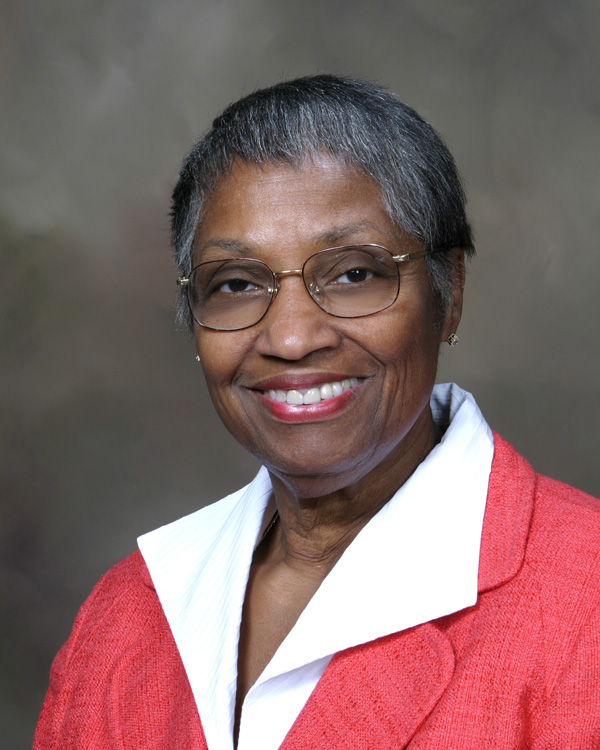
She rose to become chief of neurosurgery at the Children’s Hospital of Michigan, where she saved hundreds of young lives through delicate pediatric operations. “The greatest challenge I faced in becoming a neurosurgeon was believing it was possible,”— she once said. And she didn’t let anything stop her.
Another giant in the field is Dr. Karin Muraszko, the first woman to chair a neurosurgery department at a major U.S. medical school. Born with spina bifida—a condition that often limits physical ability—she defied both expectations and stereotypes to become one of the most respected brain surgeons in the world. Her brilliance in the operating room was matched only by her determination to push past the limitations the world tried to place on her.
Beyond the scalpel, Dr. Gail Rosseau has helped pave the way globally. As a renowned neurosurgeon and leader in global health, she has advocated for gender equity in neurosurgery through education, mentorship, and her work with Women in Neurosurgery (WINS).

Her legacy isn’t just in the patients she’s treated—it’s in the future she’s building for women in this demanding specialty.
Despite these powerful stories, women still make up less than 20% of practicing neurosurgeons globally. That number doesn’t reflect a lack of talent—it reflects a lack of opportunity, encouragement, and representation. But every time a young girl hears the story of Dr. Canady or Dr. Muraszko, that changes. Every time a woman enters a surgical residency, it changes again.
As a 17-year-old girl dreaming of becoming a neurosurgeon, I see myself in these women. Not because I’ve already saved lives or shattered ceilings—but because I’m learning that courage is the first step to doing either. These women didn’t just cut into the brain—they carved space in history for others like me.
Their hands may have held scalpels. But it was their minds—and their refusal to give up—that changed the future.
Works Cited
“Alexa Canady.” Biography, https://www.biography.com/scientists/alexa-canady
“Karin Muraszko.” Wikipedia https://en.wikipedia.org/wiki/Karin_Muraszko
History of WINS – Women in Neurosurgery.” Women in Neurosurgery, https://neurosurgerywins.org/history-of-wins/
“Dr. Alexa Irene Canady.” https://cfmedicine.nlm.nih.gov/physicians/biography_53.html.
“Gail Rosseau” https://en.wikipedia.org/wiki/Gail_Rosseau
About the Author
My name is Yasmine Oumoudden and I am a 17-year-old student with a deep interest in neuroscience and a long-term ambition to become a neurosurgeon. Over the past few years, I have participated in international debate tournaments, Model United Nations conferences, and science fairs, focusing on themes such as medicine, gender equity, and global health. Through my writing, I aim to highlight the stories of underrepresented voices in science and inspire more young women—like myself—to pursue careers in demanding and impactful fields such as neurosurgery.


 Her Stem Space
Leave a comment