
Abstract
The article, ¨Naturopathic Medicine and How it Shapes Modern-Day Healthcare¨ explores the ways in which the field of naturopathic medicine has aided in the overall assessment of individuals within its practices. It works on debunking common misconceptions surrounding the specialty and what they essentially mean in the management of health. Common principles of naturopathy include hydrotherapy, psychotherapy, and herbal medicine, which have improved the health of people in various ways. Hydrotherapy is a form of treatment within naturopathy that has been proven to support the health of certain diseases and assist in the symptoms of certain syndromes. Psychotherapy is used by naturopaths to decrease the side effects of mental conditions and improve the well-being of those enduring psychological problems. With the knowledge of naturopaths, it has been discovered that herbal medicine aids in factors such as cell protection and urological problems in individuals. When common myths about these treatments used in healthcare are taken into account, naturopathic medicine works in addressing problems that the body has in order to prevent health issues from spiraling. The naturopathic medicine field is significant towards educating the world about well-researched lifestyle decisions while fostering a healthier way of living through the therapeutic techniques within it.
An Overview of Naturopathic Medical Practices

Dating back centuries, the use of herbs and holistic remedies such as massages, detoxifying teas, essential oils, meditation, and diets for the improvement of health can be traced back to Ancient China. Today, these customs are similarly practiced in a specific category of medicine called naturopathic medicine, also known as naturopathy. Naturopathic medicine is a healthcare field that deals with the diagnosis, treatment, and prevention of diseases or medical conditions with the alliance of modern-day scientific research and natural healing remedies. As described in the article ¨History¨ by Oregon Association of Naturopathic Physicians, naturopathy was developed in 1901 by a German physician, Benedict Lust, who strongly believed in natural healing methods and integrative medicine approaches to healthcare. In 1902, he established the first naturopathic medical school in New York City which had attracted many physicians across the country. Lust´s establishment had started a kick off towards the rapid growth of naturopathy across the globe, expanding new research and information to support the practices within the profession (OANP, pars. 1-4). The naturopathic healthcare field mainly focuses on prevention and identifying the root cause of underlying health problems which helps with the roles of traditional medical practitioners by identifying lifestyle causes of health issues. Some people may pose arguments believing that naturopathy is unreliable because it lacks thorough evidence to support its practices and that it is not practical when assessing the overall health of individuals. In further pursuit of the claim at hand, naturopathy is valuable for people as it assists in self-healing properties and the promotion of the body’s long-term welfare. Common treatments within naturopathy include the usage of hydrotherapy, psychotherapy, and herbal medicine, which have remarkably enhanced people’s health in a variety of different ways.
Benefits of Hydrotherapy

To begin with, hydrotherapy is a familiar treatment within naturopathy that is generally used to treat physiological conditions such as pain, stiffness, light injuries, menstrual cramps, and muscle aches. Hydrotherapy, also called aquatic therapy, is defined as any form of the operation of water to treat various symptoms or conditions. This therapeutic technique is typically found to be beneficial in health conditions such as osteoarthritis, Parkinson’s disease, cerebral palsy, fractures, rheumatoid arthritis, and other various ailments. These health problems vary widely, but each involves challenges that this treatment can help address. For example, osteoarthritis causes joint pain from worn cartilage, while Parkinson’s disease leads to tremors and movement issues due to brain changes. One of the most commonly used hydrotherapies that is practiced in naturopathy is sauna bathing. The purpose of sauna bathing is to raise the temperature of a patient for therapeutic purposes; it involves sitting in a high temperature room that is heated by water lingering on hot rocks. However, some critics argue that sauna bathing may pose risks by disrupting temperature homeostasis and cause long-term health complications, such as altered thermoregulatory responses, chronic dehydration risks, and increased cardiovascular strain. Even though this is a commonly found claim, certain sources consider different findings to evaluate the logic of the statement. As displayed in the source, ¨Cardiovascular and Other Health Benefits of Sauna Bathing: A Review of the Evidence¨ by Jari A Laukkanhen, Tanjaniina Laukkanen, and Sector K. Kunustor, ¨In 2 recent studies in the general Finnish male population, the combined effect of high CRF level and frequent sauna baths was found to be associated with a substantially reduced risk of future cardiovascular deaths, SCD, and all-cause mortality outcomes in comparison to high CRF level or frequent sauna baths alone.5,19 These recent findings have practical implications, which indicate that high CRF levels, which can usually be improved by regular physical activity, when combined with frequent sauna bathing sessions, can substantially reduce the risk of these adverse cardiovascular outcomes.¨(Laukkanhen et al , 2018). In other words, the practice of sauna bathing incorporated with cardiorespiratory fitness (CRF) has been scientifically proven to lower the threat of cardiovascular conditions and diagnoses such as sudden cardiac death. The exposure of high temperature conditions in saunas leads to lower blood pressure, increased body circulation, exercised heart rates, and lower stress rates which are crucial for reaching maximum heart health. In that case, sauna bathing does not pose negative effects towards certain body functions as the high temperature environments within it are necessary for activities in the body to perform in a way that would benefit the cardiovascular system. By reversing the causes and symptoms of heart-related issues, the risk of cardiovascular disease can be significantly reduced when taking into account what leads to these health problems. The therapeutic technique of sauna bathing addresses the common problems wired to cardiovascular disease through preventive properties. Prevention, which is evidently used in the hydrotherapeutic remedy of sauna bathing, is a key element in approaching cardiovascular conditions, making it a healthy lifestyle choice for patients. When one body system is protected, the body repulses from damaging another system since every function in the body works together as a whole. The well-being of systems in the body are an important factor of addressing health, and sauna bathing holds forth in protecting one of the most vital functions in the body, the cardiovascular system. Sauna bathing does not interfere with the way the body manages its internal body temperature. It simply helps the body in reducing the risk of diseases that correlate with thermoregulation.

Aside from the prevention of cardiovascular conditions, hydrotherapeutic remedies such as aquatic exercise can ameliorate medical conditions such as chronic syndromes. Nevertheless, opponents of this idea believe that aquatic exercise may put patients at the risk of pain caused by exhaustion in physical exercise and harm their recoveries. This is evidently disproven as indicated in the source, “Scientific Evidence-Based Effects of Hydrotherapy on Various Systems of the Body,”by A. Mooventhan and L. Nivethitha. It states, “A systematic review on management of fibromyalgia syndrome (FMS) through hydrotherapy described as ´there is strong evidence for the use of hydrotherapy in the management of FMS´ and it showed positive outcomes for pain; tender point count; and health-status.[41] Combination of ST (once daily for 3 days/week) and underwater exercise (once daily for 2 days/week) for 12 weeks significantly reduced pain and symptoms (both short- and long-term); and improved QOL in patients with FMS.[42] Pool-based exercise using deep water running three times/week for 8 weeks is safe and effective intervention for FMS because it showed significant improvement in general health and QOL compared with control; and significant improvement in fibromyalgia impact questionnaire score, incorporating pain; fatigue; physical function; stiffness; and psychological variables” (Mooventhan & Nivethitha, 2014, p. 199). To elaborate, fibromyalgia syndrome, a disorder that imposes chronic pain and tenderness across a patient’s body, has been shown to have improvements to its patients through the incorporation of aquatic exercise and sauna therapy, as they reduce the symptoms possessed by the disorder. The variety of different physical activities within the aquatic workouts had worked on balancing factors that led to the increased symptoms of FMS. The study conducted on patients with the disease had shown that this form of hydrotherapy improved the circumstances wired to FMS. This clarifies that aquatic exercise within hydrotherapy has been shown to restore the health of those with chronic syndromes such as FMS because it utilizes those symptoms that are commonly demanded for in the body of the ill patients. By recalling the argument of opposers, aquatic exercise works on taking in account the pain and discomfort of patients with FMS as it reduces their side effects, making it a beneficial tool in regulating the symptoms of its patients. As the integration of both aquatic exercise and sauna therapy may build up the physical endurance of patients, it can prevent other problems that stem from FMS by combining routines used throughout the workouts. As a whole, aquatic exercise focuses on preventing the mainstream of symptoms in patients of FMS; by addressing these root causes, aquatic exercise can then improve the overall welfare of patients. Aquatic exercise does not mean overexerting patients to the point of burnout like critics believe. It concentrates on working on the mobility of patients to improve their overall functioning processes, which is essential for eliminating pain that they endure. As sauna bathing and aquatic exercise can both be categorized as hydrotherapy, they can be traced back to naturopathy as the two therapies focus on key elements of the field, such as identifying underlying issues of patients in order to eliminate them for overall patient stability. When problems are identified within people’s health, the insights can then be used to prevent any risks or obstacles that may interfere with the overall vitality of a patient. Therefore, the practices within hydrotherapy are not meant to augment the problems patients already go through. They are meant to focus on addressing their issues as it offers safe treatments for the precautions of illnesses and treatment of symptoms.
The Effects of Psychotherapy
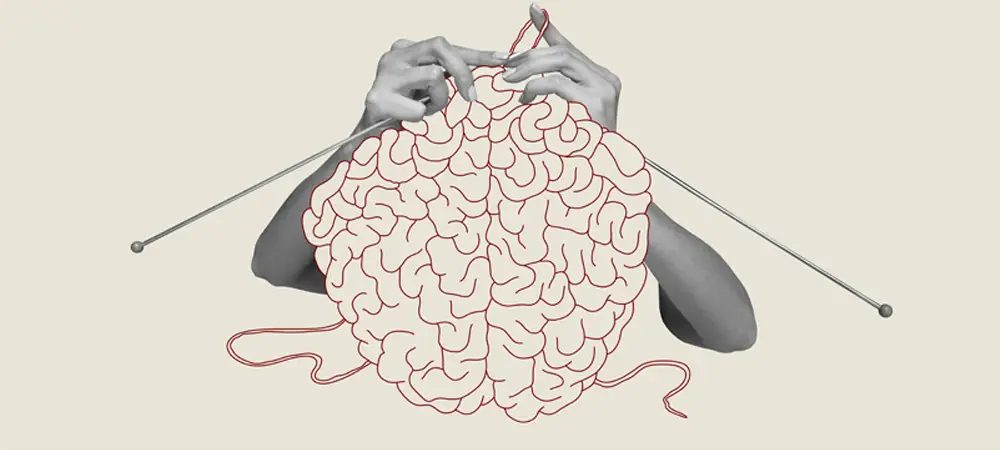
Furthermore, psychotherapy is another therapeutic technique used within naturopathy. Psychotherapy is known as any form of treatment that addresses the mental health and emotional stability of patients. A familiar psychological counseling method in naturopathic psychotherapy is meditation, a process that focuses on emotional regulation and stress management. Yet, some people may say that meditation causes the emotional instability of patients since it can lead to anxiety when taming thoughts. Experts formed analyses among this statement and discovered information that argues against it. A study evaluated by Harvard Medical School analyzed electrical activity in the brain after meditation, specifically the communication of neurons in the brain that authorizes it to regulate impulses, behavior, and emotional responses. As exemplified within the article “Meditation in psychotherapy”, it reveals that ¨In another recent study, researchers measured brain electrical activity before, immediately after, and four months after a two-month course in mindfulness meditation. They found persistent increased activity on the left side of the prefrontal cortex, which is associated with joyful and serene emotions. They also found increased antibody responses to an influenza vaccine. Studies are now looking at the effects of meditation on the amygdala, the brain’s fear center, and the caudate nucleus, which is associated with obsessional thoughts and compulsive behavior¨ (Harvard Health Publishing, 2014, par. 4). As shown by the findings from the studies, it is proven that meditation increases cerebral functions in the brain that are connected with positive emotional outcomes, which could then improve mental health. Not only does meditation improve the overall mood of people, it also aids in controlling emotional impulses and behaviors, leading to greater stability over life. When emotions and psychological urges are balanced in life, it strengthens the mental health of patients because it maintains a stable disposition that prevents psychological problems and disorders. Coming back to the alternative viewpoint that states ruminating increases anxiety, it is demonstrated that meditation leaves patients with their own thoughts while the process stabilizes their brain activity. It lets patients focus on their attention span which is proven to be linked to a counterbalance of emotional well-being in the brain. It blocks out intrusive thoughts that are believed to be inhibited within the mental exercises and allows patients to apprehend what they are feeling. This factor of meditation possesses value towards clarifying the emotional insights of a person. Meditation drives the brain to boost certain functions in order to improve neurological roles that control behavior management and repetitive thoughts, which is important for the maintenance of substantial mental health. As a whole, meditation focuses on assisting the mental health of patients, making it useful in restoring positive emotions of those with psychological problems or those at risk for it. Meditation refrains a person from giving into their typical emotional patterns, contradicting the claim that meditation is a practice that enables these kinds of negative thoughts from recurring in a patient.

Along the same lines, another psychotherapeutic technique used in naturopathic medicine is cognitive behavioral therapy (CBT), a therapy that addresses a patient’s negative thoughts, mental problems, and stress levels in order to reframe repetitive patterns that lead to poor mental health. Nonetheless, certain skeptics of the technique argue that cognitive behavioral therapy is only useful for patients on a short-term standpoint. A study conducted by Oxford University experimented on the effects of cognitive behavioral therapy in order to view the effect it had on patients with depression. As mentioned throughout the source ¨Study finds CBT offers long-term benefits for people with depression¨, it indicates, ¨The study found when CBT was given, in addition to usual care that included antidepressants, it was effective in reducing depressive symptoms and improving quality of life over the long term – on average 46 months – for patients whose depression had not responded to medication. These benefits were found, on average, 40 months after the end of therapy¨ (“Study finds CBT offers long-term benefits”, 2016, par. 2). To summarize, cognitive behavioral therapy, when combined with typical healing and antidepressants, lowers the prevalence of depressive side effects as it has been proven to significantly reduce adverse reactions caused by the condition. The study exhibits that the recurring practices in CBT, such as finding the foundation of certain emotional reactions or altering certain behaviors, benefits the patient´s healing process. Despite the claims of some observers, it can be said that CBT has prolonged outcomes on depressive patients since it teaches them healthier self-regulation practices on their mental health. Lessening negative and unhelpful behaviors of patients with cathartic-developed practices had minimized the typical reactions a patient with depression would endure. Subsequently, this practice benefits the overall mental state of a person at the same time. When psychological problems are managed and treated properly, a person’s mental state can be remarkably improved, benefiting the general welfare of a person. Mental health is important to address through counseling-based practices because it affects the quality of life of patients through various ways. When continuing in the examination of the previous viewpoint that states CBT has limited long-term value, CBT regularly accumulates the emotional capabilities of patients while building up their skills in managing their personal problems. These practices are helpful in addressing future obstacles patients may face and makes them more prepared for further issues that can interfere with their mental health or general well-being/welfare. CBT teaches practical self-help practices to people, which has a substantial effect in addressing psychological well-being of patients. Meditation and cognitive behavioral therapy are both accommodating factors of psychotherapy, which are fundamental towards the mental health assessment of patients since emotional sanity affects physical health, medical conditions, behavioral problems, mood disorders, body functions, and relationships with others. Psychotherapy can be misinterpreted as a damaging way towards assessing the thoughts of patients and unreliable for benefiting people in their future, which is certainly not true as it progressively works on healing the minds of patients.

Herbal Medicine in Action

Another practice associated with naturopathy is herbal medicine, defined as the use of plant-based products for the treatment of diseases or sustainability of overall health. It is typically used to relieve mild side effects, alleviate stress, treat light pain or aches, and support the well-being of people. Although it has benefits, a number of people believe that it intensifies side effects in patients that already have certain medical problems. This claim is opposed in one study where analysts had conducted an experiment to determine the effectiveness of herbal medicine towards the assessment of certain urological conditions. In the referenced article, ¨Herbal medicines: where is the evidence?¨ by E. Ernst, the author states, ¨A meta-analysis of 18 randomised controlled trials (2939 patients) of saw palmetto as a symptomatic treatment for benign prostate hyperplasia showed that it improved urological symptoms and flow measures significantly more than placebo.5 Saw palmetto was as effective as finasteride and had fewer adverse effects¨ (Ernst, 2000, pp. 395–396). In essence, saw palmetto, an evergreen palm commonly used to make herbal supplements, has been proven to ameliorate a condition connected to prostate gland enlargement, overall reversing the urination issues that result from the enlargement. Researchers had measured the flow of urine in patients with the condition and found that after they took the herbal supplement, they passed urine with much less complications than usual. In the trial, saw palmetto conducted the same properties that typical non-herbal medicine would, only with less aftermath symptoms that would pose damage to the user. In connection with the arguments of critics, this explicates that herbal medicine can be beneficial to the health of people with medical conditions because it slowly eliminates symptoms while reducing certain physical reactions that traditional medicine would impose. It focuses on addressing symptoms of patients without having harsh side effects, which aids in a patient´s healing process as it reduces inflammation and interference in bodily functions. On that account, saw palmetto is a practical treatment for patients in alleviating their symptoms as it counters the claim of being shown to worsen urological conditions of those who possess it.
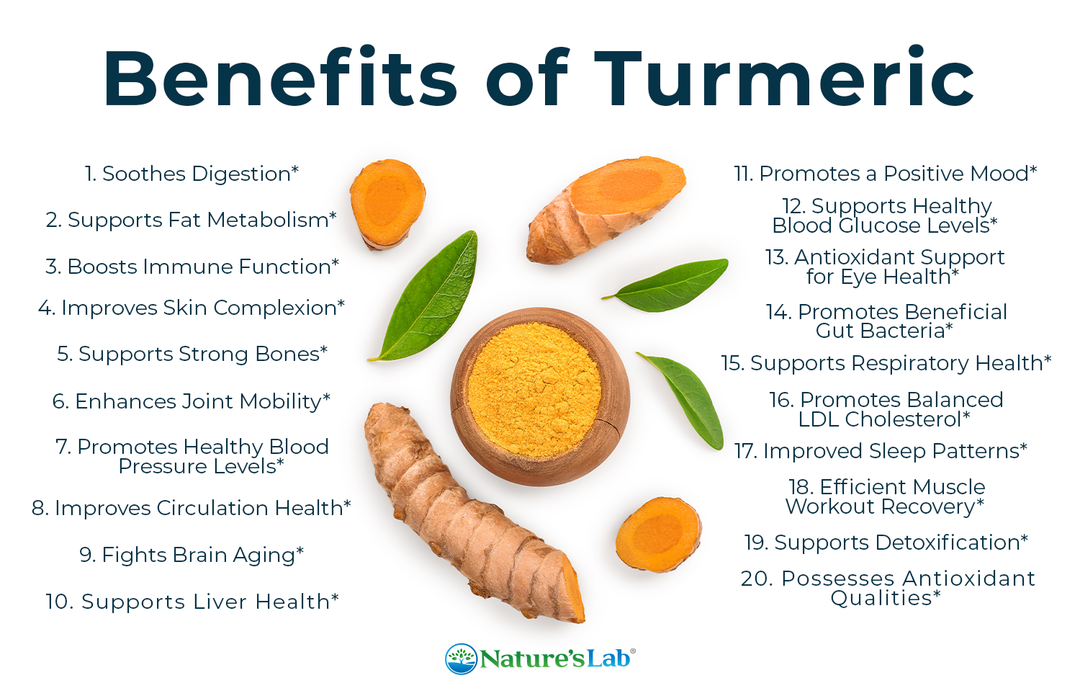
Likewise, another herbal medicine known as turmeric may also be beneficial towards the assessment of certain diseases or body conditions due to its rich antioxidants properties. Regardless of the particular reason for the viewpoints, some observers assert the belief that turmeric is unsafe when used as a herbal supplement since it can damage cell membranes and harm cell pathways in the body. This viewpoint is challenged in a study pertaining to the effects of turmeric on the health of people. As pointed out in the document, ¨Turmeric and Its Major Compound Curcumin on Health: Bioactive Effects and Safety Profiles for Food, Pharmaceutical, Biotechnological and Medicinal Applications¨, by Javad Sharifi-Rad, it claims, ¨Thus, curcumin suppressed lipid peroxidation and seemed to be useful as a natural preservative” (Abdeldaiem, 2014). Jayaprakasha et al. (2006), an author mentioned in the document, also stated that linoleic acid oxidation was much lower in the presence of curcumin, and the antioxidant effect was about 80% when it was used as a dietary supplement. Aftab and Vieira (2010), authors mentioned in the document, also state that “at the same dose, curcumin was able to double the resveratrol antioxidant activity, due to the double carboxyl and hydroxyl groups.” To put it differently, curcumin, a herbal component derived from turmeric, has been proven to put an end to a process called lipid peroxidation. The process can deteriorate cell membranes, DNA, proteins, and other body components that aid in creating numerous diseases. Researchers had also studied linoleic acid oxidation, another process that breaks down linoleic acid in the body, leading to negative outcomes on cellular functions. They had found that this type of oxidation had been reduced with the help of curcumin. Afterwards, it had prominently boosted the antioxidant effect on the body. The enhanced resveratrol antioxidant activity that plays a role in curcumin functions is essential for the body in searching for free radicals, which are harmful as they can lead to oxidative stress. Oxidative stress is a process that can cause immense damage to the body’s cells, proteins, lipids, and DNA, resulting in diseases or health conditions. When drawing back to the previous refutation that states turmeric is damaging because it can interfere with cellular processes in the body, this clarifies that curcumin can be an essential herbal supplement towards the body as a whole because it amplifies antioxidant production in the body, which is beneficial in assisting the body to get rid of free radicals that could impose certain health complications. Antioxidant production is essential for protecting the body from cellular damage, preventing the risk of chronic symptoms, and improving the roles of certain body functions. When consuming turmeric as a whole or in capsule form, the antioxidant properties that go along with it can benefit the body as they amplify healthy processes in the body that contribute to general health. The examined evidence validates the claim that turmeric supports healthy cellular productions in the body rather than the harmful processes concluded by critics. Herbal medicine plays a significant part in naturopathy as it improves symptoms that go along with health conditions and aids in antioxidant production. This spread of antioxidants across a person prevents damage to cellular functions in the body responsible for handling diseases. Numerous types of herbs in medicine play a role in enhancing the health status of people while providing in-depth evidence that argues against the claims of some.
The Lasting Impacts
Ultimately, naturopathy plays a crucial role in the improvement of people’s health with the branches that stem from it, including hydrotherapy, psychotherapy, and herbal medicine. Looking into the views of those who oppose naturopathy can be valuable in accommodating researchers in investigating certain concerns within the field. Those issues can be used to build evidence towards the effectiveness of certain aspects of the field. Naturopathy works alongside traditional medicine while assisting in the healing process of patients, addressing the root cause of symptoms, educating patients about healthy lifestyle choices, and finding simpler suggestions towards certain symptoms. Although naturopathy should not be used as an alternative to traditional medicine because it focuses on prevention rather than treatment, it can benefit people long-term as it educates the world about more natural ways of living and helps people take a grasp on their overall health. It works on addressing a patient’s needs and problems, while leaving lasting impacts on the sustainability of patients across decades of time. Since the opening of the first naturopathic school that established an important influence on people’s lives, it has progressed to become one of the most effective educational practices in maintaining the health of people worldwide. The future of naturopathy beholds the power of reaching optimal health from the years of evolved studies and research that will continue to expand through the generations to come. The action of bringing simple practices of naturopathy into one’s daily life can act as a root of a healthcare journey to come. The root can then sprout into new branches of wellness goals, which flourish to create communities of people manifesting a wholesome way of life.
Works Cited
- Ernst, E. “Herbal Medicines: Where Is the Evidence?” BMJ, vol. 321, no. 7258, 12 Aug. 2000, pp. 395–396, pmc.ncbi.nlm.nih.gov/articles/PMC1127780/#:~:text=Are%20there%20rigorous%20trials%20to,some%20herbal%20medicines%20are%20efficacious., https://doi.org/10.1136/bmj.321.7258.395. Accessed 17 Feb. 2025.
- “History – Oregon Association of Naturopathic Physicians.” Www.oanp.org, http://www.oanp.org/page/history. Accessed 17 Feb. 2025.
- Laukkanen, Jari A., et al. “Cardiovascular and Other Health Benefits of Sauna Bathing: A Review of the Evidence.” Mayo Clinic Proceedings, vol. 93, no. 8, Aug. 2018, pp. 1111–1121, http://www.sciencedirect.com/science/article/abs/pii/S0025619618302751, https://doi.org/10.1016/j.mayocp.2018.04.008. Accessed 17 Feb. 2025.
- Mooventhan, A, and L Nivethitha. “Scientific Evidence-Based Effects of Hydrotherapy on Various Systems of the Body.” North American Journal of Medical Sciences, vol. 6, no. 5, 2014, p. 199, http://www.ncbi.nlm.nih.gov/pmc/articles/PMC4049052/, https://doi.org/10.4103/1947-2714.132935. Accessed 17 Feb. 2025.
- Publishing, Harvard Health. “Meditation in Psychotherapy.” Harvard Health, 9 Mar. 2014, http://www.health.harvard.edu/newsletter_article/Meditation_in_psychotherapy. Accessed 17 Feb. 2025.
- Sharifi-Rad, Javad, et al. “Turmeric and Its Major Compound Curcumin on Health: Bioactive Effects and Safety Profiles for Food, Pharmaceutical, Biotechnological and Medicinal Applications.” Frontiers in Pharmacology, vol. 11, no. 33041781, 15 Sept. 2020, pmc.ncbi.nlm.nih.gov/articles/PMC7522354/, https://doi.org/10.3389/fphar.2020.01021. Accessed 17 Feb. 2025.
- University of Oxford. “Study Finds CBT Offers Long-Term Benefits for People with Depression — Department of Psychiatry.” Ox.ac.uk, 7 Jan. 2016, http://www.psych.ox.ac.uk/news/study-finds-cbt-offers-long-term-benefits-for-people-with-depression. Accessed 17 Feb. 2025.
About the Author
- Hello! My name is Indre Luksys and I am currently a sophomore in high school who is highly fascinated by the STEM and medical field. I hope I can contribute to medical research in the future and make an impact in people’s lives. Recently, I competed in HOSA Nationals where I explored more career options and aspects of scientific fields!



 Her Stem Space
Leave a comment