By Maurelle
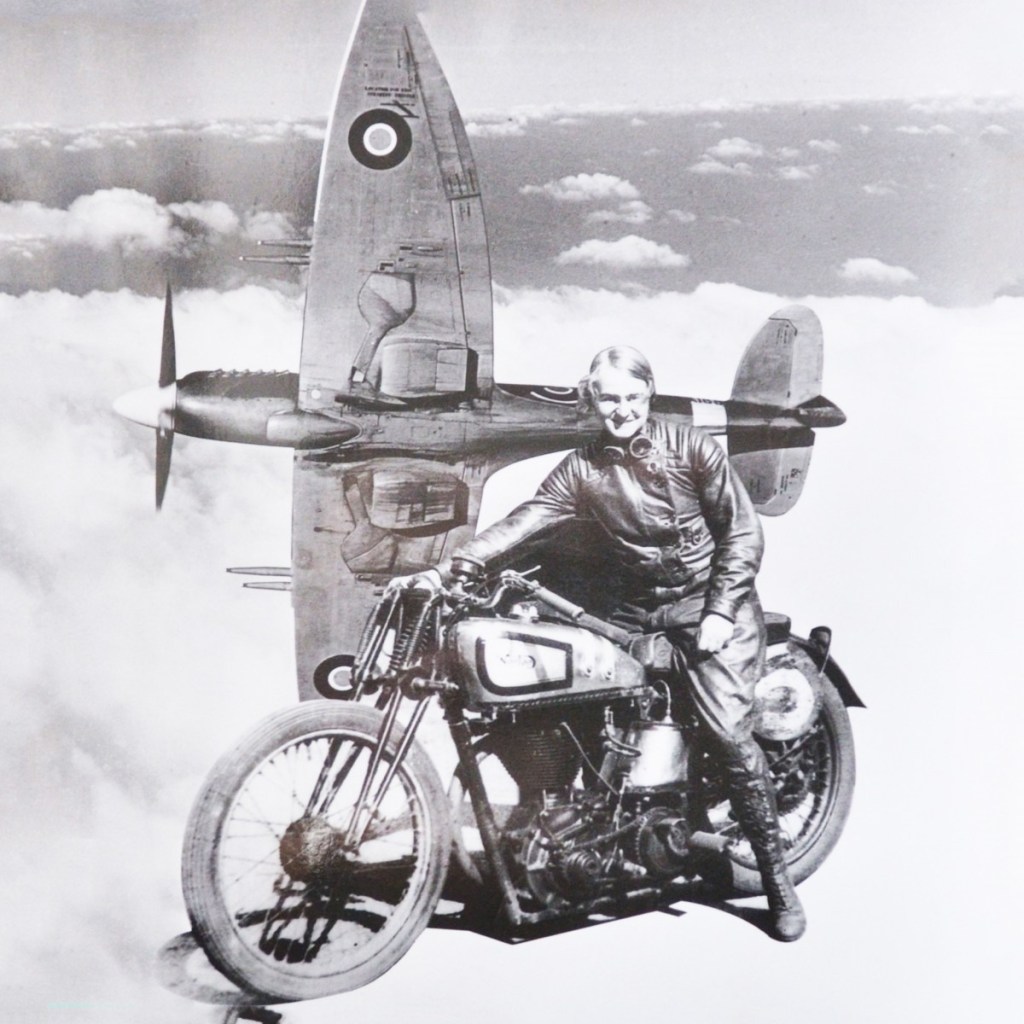
Courtesy: https://content.presspage.com/uploads/1369/1920_beatriceshilling.jpg?10000
A small engine component that contributed to a victory during World War II was created by a woman named Beatrice “Tilly” Shilling. She was born on March 8, 1909, in Waterlooville, United Kingdom. From an early age, Tilly showed a strong interest in machines (BBC News). In an interview with Women Engineer Magazine, she mentioned that she played with Meccano as a child. She also said, “I spent my pocket money on penknives, an adjustable spanner, a glue pot, and other simple hand tools”—practical tools for fixing things. Her passion for mechanical engineering was clearly evident from her childhood.
Once she enrolled in college, she was one of only two female engineering graduates at Victoria University of Manchester in 1932—the first year the course admitted women. After completing the program, she developed an interest in motorcycles and was known to ride one. She eventually earned a Gold Star for outstanding performance at Brooklands, reaching 106 mph by using a revolutionary supercharger (Library: Women in Science: Beatrice Shilling).
However, this was not the pinnacle of Beatrice “Tilly” Shilling’s achievements. During World War II, British fighter aircraft such as the Supermarine Spitfire and Hawker Hurricane experienced a serious problem during negative-g manoeuvres. When pilots pushed their aircraft into a rapid dive, the Rolls-Royce Merlin engine could temporarily cut out because the carburettor became flooded with fuel. This placed British pilots at a disadvantage during dogfights and could put their lives at risk. While working at the Royal Aircraft Establishment (RAE), Shilling designed a simple but highly effective solution known as the RAE restrictor, which pilots nicknamed “Miss Shilling’s Orifice” (“A History of Women in Engineering”).
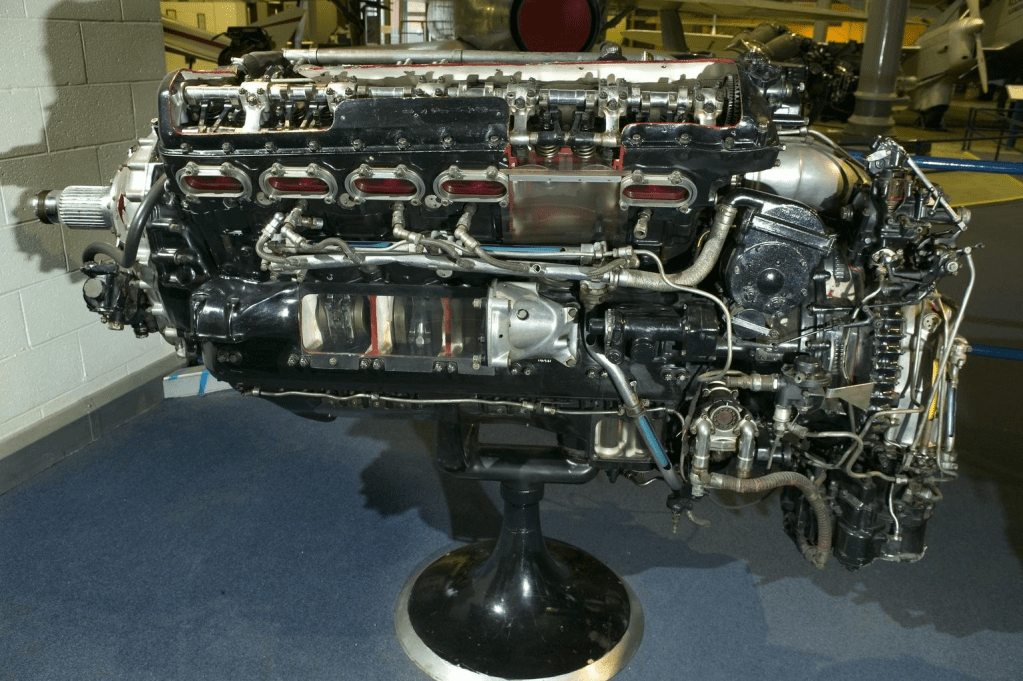
The Merlin 45 aircraft engine, which powered many Spitfires, benefited greatly from Shilling’s innovation. Her restrictor controlled the fuel flow and prevented the engine from losing power during negative-g manoeuvres (“A History of Women in Engineering”). Although others might regard the device as relatively simple, adding a brass ring inside, together with other improvements in the needle valve, solved a critical problem and helped improve the performance of British fighter aircraft (The Atkinson).
Despite not receiving the recognition she deserved at the time, Shilling’s contribution remains an important engineering achievement. Her work not only aided the Allied war effort, but also her story paved the way for generations of women engineers until now (University of Manchester).
Works Cited
- “A History of Women in Engineering.” Science Museum, 22 June 2020, www.sciencemuseum.org.uk/objects-and-stories/history-women-engineering.
- BBC News. Beatrice Shilling: Pioneering Engineer’s Genius “helped Win World War Two.” 23 June 2017, www.bbc.com/news/uk-england-manchester-40267364.
- Library: Women in Science: Beatrice Shilling. esearch.sc4.edu/WIS/shilling.
- The Atkinson. “A Simple Answer for a Tricky Problem: The Story of Beatrice Shilling – the Atkinson.” The Atkinson, 7 Jan. 2025, theatkinson.co.uk/news/a-simple-answer-for-a-tricky-problem-the-story-of-beatrice-shilling/#:~:text=She%20placed%20a%20brass%20ring,as%20%E2%80%9CMiss%20Shilling%27s%20orifice.%E2%80%9D.
- University of Manchester. “Beatrice Shilling – Engineer and Battle of Britain Heroine.” Beatrice Shilling – Engineer and Battle of Britain Heroine, 28 Jan. 2016, www.manchester.ac.uk/about/news/beatrice-shilling–engineer-and-battle-of-britain-heroine.
About the Author
Greetings! I am Maurelle, or simply Elle, an incoming first-year engineering student. I have been passionate about STEM since childhood; every bit of it fascinates me. Someday I hope to inspire other girls to follow their dreams with confidence and empower young women to never let the phrase “that’s male-dominated” stop them from pursuing what they love. (maurellejignacio@gmail.com)


 Her Stem Space


Leave a comment