By: Khushi Patel
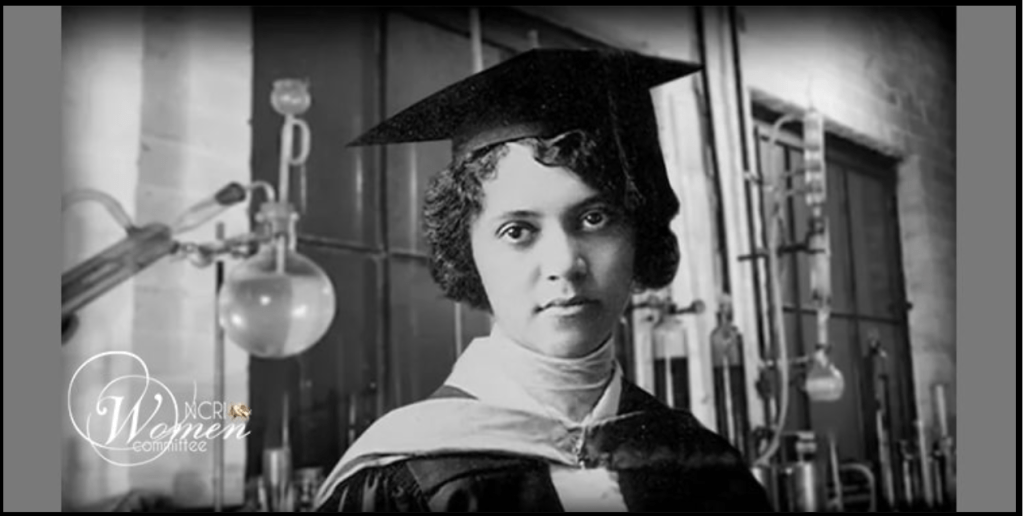
Born on July 24, 1892, in Seattle, Washington, to Laura and James Ball Jr., Alice Augusta Ball developed the first successful treatment for those suffering from Leprosy, or Hansen’s Disease. In her early years, Ball excelled at Seattle High School and graduated in 1910. She then proceeded to expand her studies at multiple universities. First, she earned undergraduate degrees in pharmaceutical chemistry (1912) and pharmacy (1914) from the University of Washington. Then Ball transferred to the College of Hawaii (now known as the University of Hawaii) and became the very first African American and the very first woman to graduate with a M.S. degree in chemistry in 1915. Moreover, she accomplished all of this at the ripe age of 23 years.
So what is Leprosy? Leprosy, also known as Hansen disease, is a chronic infectious bacterial disease caused mainly by a type of bacteria called Mycobacterium leprae. It can cause patches of pale or discolored skin, loss of sensation (numbness), and permanent disabilities. Alice Ball contributed the Ball Method in order to treat this disease. This method utilized the oil from the chaulmoogra tree to try to treat the disease. But there were many issues with using this oil. Some include the oil being very thick and sticky, it not being water soluble, hence not mixing with blood, and it tasting terrible when taken orally. Nonetheless, the drawbacks were outweighed by the benefits because this oil inhibited the bacteria that caused leprosy and helped the body fight the infection. We thank Alice Ball for this groundbreaking discovery, as there are more than 200,000 people today getting affected by Leprosy.
However, just one year after this discovery, Ball died on December 31, 1916, at the age of 24. According to her death certificate, it is widely believed that Alice Ball passed away due to chlorine gas poisoning sustained during a laboratory accident and died before she could publish any of her research. But then came the shocking information that Dr. Arthur Dean, a past acquaintance of Ball, published her research in his name in what some consider to be the most egregious case of scientific credit theft in history. He continued where she left off, refined her methods, and began publishing papers about the treatment without ever mentioning Ball’s foundational contributions. In fact, he presented this work as his own discovery, calling it the “Dean Method.” Even though Alice Balls’ discovery was overlooked by numerous people, we still remember her today for her innovative discovery.
Works Cited
- “Leprosy (Hansen’s Disease).” Cleveland Clinic, last updated 3 Apr. 2025, https://my.clevelandclinic.org/health/diseases/23043-leprosy-hansens-disease.
- “Leprosy.” World Health Organization, 23 Jan. 2026, https://www.who.int/news-room/fact-sheets/detail/leprosy.
- “Overlooked No More: Alice Ball, Chemist Who Created a Treatment for Leprosy.” Global Center for Health Security, University of Nebraska Medical Center, 11 Apr. 2023, https://www.unmc.edu/healthsecurity/transmission/2023/04/11/overlooked-no-more-alice-ball-chemist-who-created-a-treatment-for-leprosy/.
- Krichbaum, Emily. “Alice Ball.” National Women’s History Museum, 2025, https://www.womenshistory.org/education-resources/biographies/alice-ball.
- Adami, Eleonora. “Alice Ball.” Scientific Women, https://scientificwomen.net/women/ball-alice-121. Accessed 28 Feb. 2026.
About the Author
- Helloo! My name is Khushi Patel, and I am a Sophomore in Highschool. I am really passionate about pursuing a career in medicine, specifically electrophysiology. This is because I want to help others and make a real change in the world!


 Her Stem Space
Leave a comment