By: Khushi Patel
To start, there are 30 trillion cells present in an adult body. Cells are known as the basic unit of life and are needed for everything. Everything, from your heart to the smallest bone in your body, is made from cells, and each cell contains 23 pairs of chromosomes, meaning 46 in total. Each offspring inherits 1 chromosome in a pair from each parent, which creates genetic variety. These chromosomes are composed of DNA, which is necessary for all species to grow, develop, function, and reproduce. 22 out of 23 chromosomal pairs are called autosomes. These autosomes contain anywhere from 750 to 2,800 genes on them that give your body the instructions it needs to function. The final pair of chromosomes is known as the sex chromosomes. These chromosomes are essential in order to regulate sex-linked gene expression, such as the expression of estrogen in females and testosterone in males. Additionally, these chromosomes are needed for organs that differentiate between males and females. For example, the ovaries in females and the testes in males.
Chromosomes also inform us of the gender of an offspring. If it’s a female, they will have the chromosomes XX, whereas a male will have the chromosomes XY. Furthermore, the father is the one responsible for giving either an X or a Y chromosome, which will ultimately contribute to the gender of the offspring. (Although these processes are more complicated in reality, we will not be diving into that.)
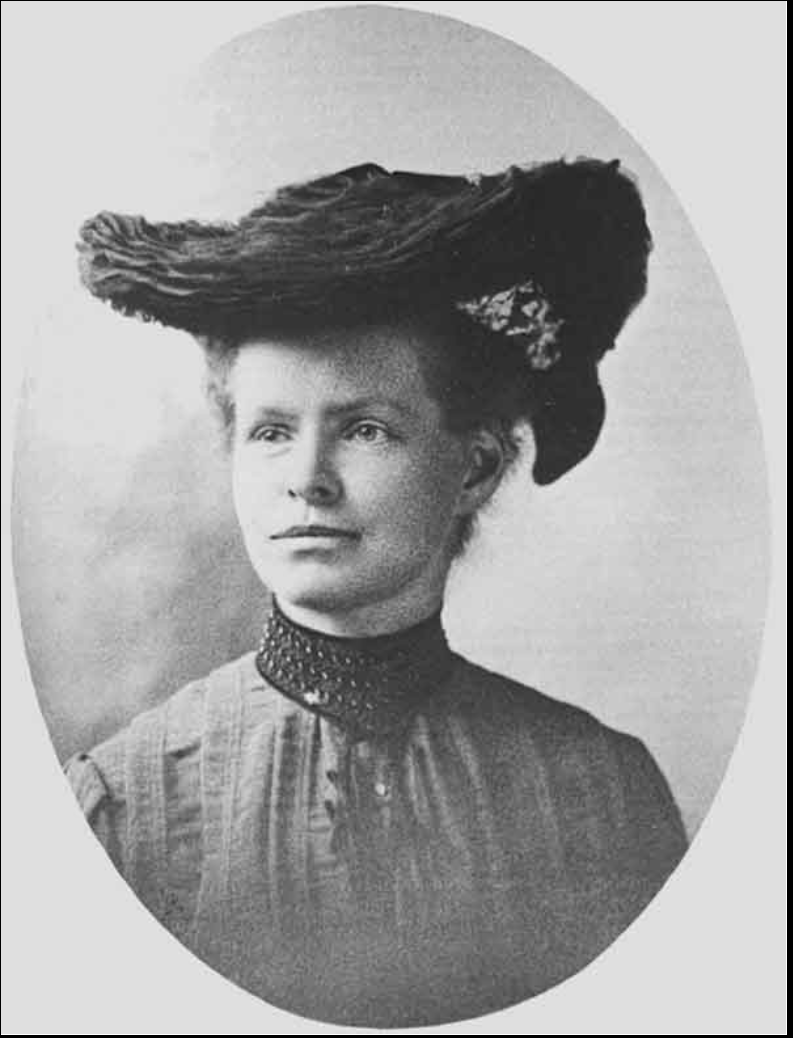
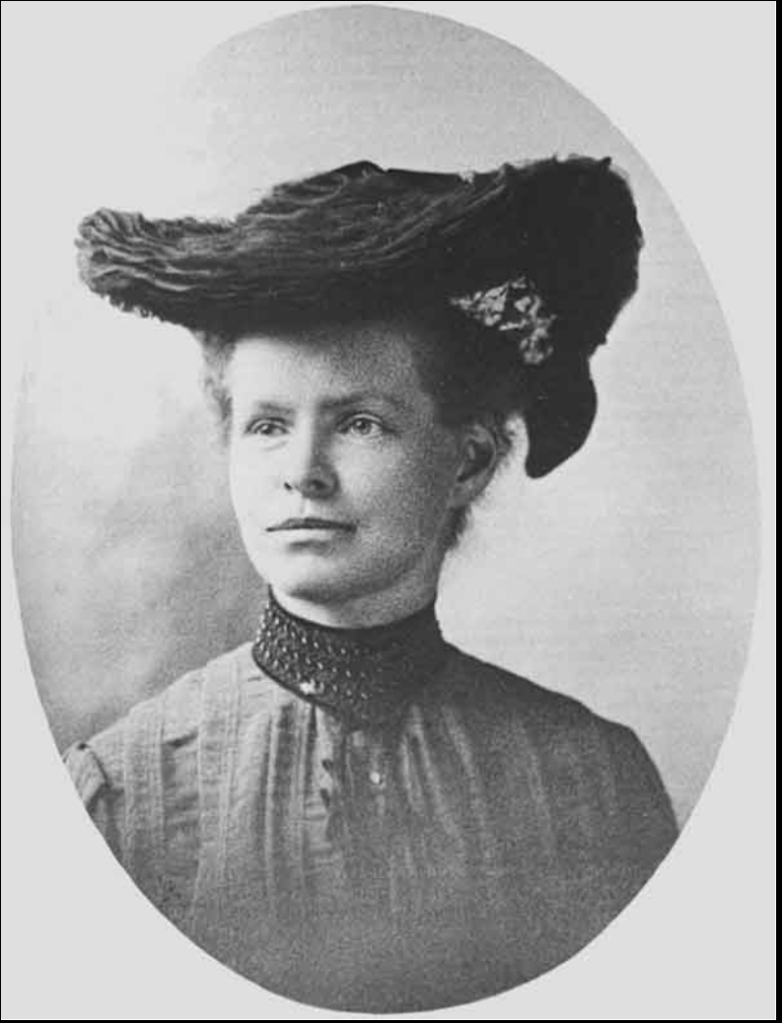
But who discovered what sex chromosomes are? Born on July 7, 1861, in Cavendish, Vermont, Nettie Stevens discovered sex chromosomes in her study of spermatogenesis in 1905. In her early years, Stevens graduated from Westford Academy at the age of 19. After graduating from high school, Nettie dove into the career of teaching in Lebanon, New Hampshire. However, she wasn’t satisfied and wanted to further her career, so Nettie continued a pattern of working, saving, and self-funding her education until she graduated. “She sought additional training in the sciences, enrolling in 1896 at the age of 35 at the newly established Stanford University (McKelvie).”
During her career training at Stanford, Nettie Stevens focused on zoological and genetic research. She mainly focused on morphology, the study of the forms of living organisms, and cytology, the study of the structure and function of plant and animal cells. And finally, in 1900, she received her bachelor’s and master’s degrees.
In order to understand Dr. Stevens’s experiments, there are some basic things to keep in mind. In order for a human being to form, the sperm needs to fertilize the egg. Each of these gametes has 23 chromosomes, which come together to form a zygote, which then has 46 chromosomes. Additionally, the X chromosome is always bigger than the Y chromosome. Nettie Stevens discovered how sex is determined by closely studying chromosomes in the reproductive cells of insects like mealworms. Using a microscope, she observed that female eggs always carried one large chromosome (now called X), while male sperm carried either a large chromosome (X) or a smaller one (Y). She connected these differences to the sex of the offspring, finding that an egg fertilized by an X-carrying sperm produced a female (XX) and an egg fertilized by a Y-carrying sperm produced a male (XY). From this, she concluded that the father’s sperm determines the sex of the offspring and that sex is controlled by chromosomes, not environmental factors. Her experiment provided some of the first clear evidence that chromosomes carry genetic information and play a key role in heredity.
Lastly, Nettie Stevens died at the age of 50 to breast cancer on May 4, 1912, in Baltimore, Maryland. Out of the 40 papers Stevens wrote, one paper (1905) won Stevens an award of $1,000 for the best scientific paper written by a woman. The discovery of sex chromosomes was, and still is, essential to the ongoing discoveries happening in genetics today, and we thank Nettie Stevens for this.
Works Cited
- “Chromosomes: Definition, Structure & Function.” Cleveland Clinic, 9 July 2025, https://my.clevelandclinic.org/health/body/chromosomes. Accessed 13 Feb. 2026. (Cleveland Clinic)
- Ferguson, Sian. “What Are Sex Chromosomes?” Healthline, Medically reviewed by Debra Sullivan, Ph.D., MSN, R.N., CNE, COI, 14 Dec. 2023, https://www.healthline.com/health/sex-chromosomes. Accessed 13 Feb. 2026. (Healthline)
- “Nettie Stevens.” National Women’s History Museum, https://www.womenshistory.org/education-resources/biographies/nettie-stevens. Accessed 13 Feb. 2026. (National Women’s History Museum)
- “Nettie Stevens – Biography, Facts and Pictures.” Famous Scientists, https://www.famousscientists.org/nettie-stevens/. Accessed 13 Feb. 2026. (Famous Scientists)
- “Nettie STEVENS.” ScientificWomen.net, https://scientificwomen.net/women/stevens-nettie-102. Accessed 13 Feb. 2026. (scientificwomen.net)
About the Author
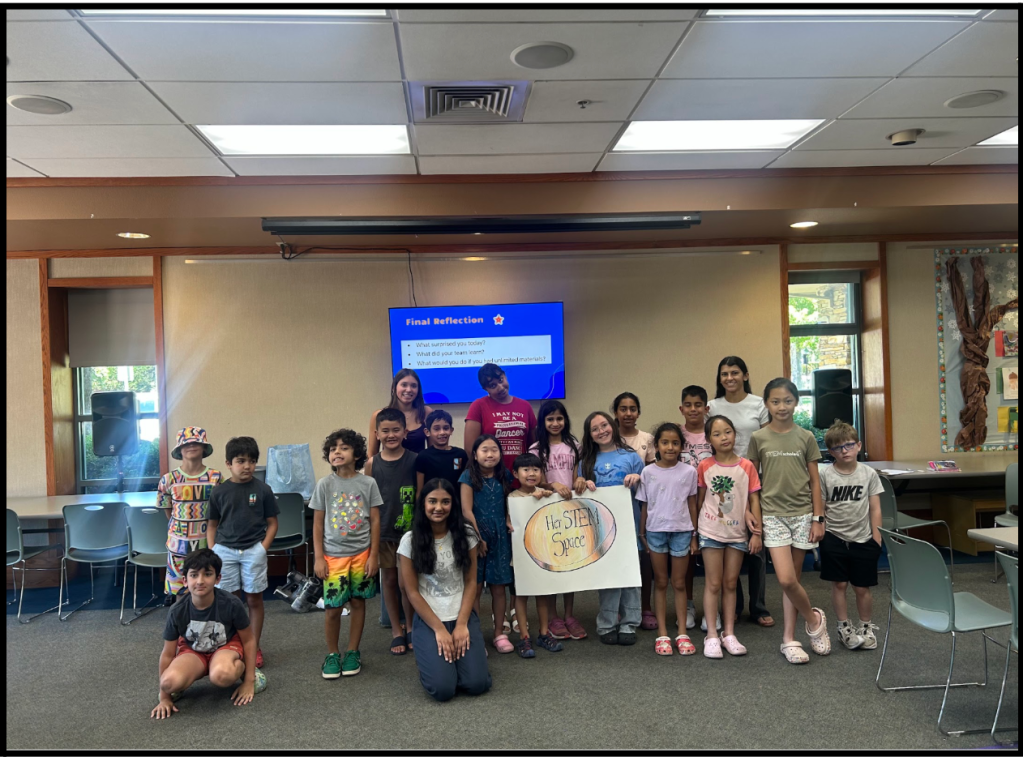
Helloo! My name is Khushi Patel, and I am a Sophomore in Highschool. I am really passionate about pursuing a career in medicine, specifically electrophysiology. This is because I want to help others and make a real change in the world!


 Her Stem Space
Leave a comment